7 Ways to Maintain Your Hearing Aids at Home
 Amy Kelsey
 Amy Kelsey
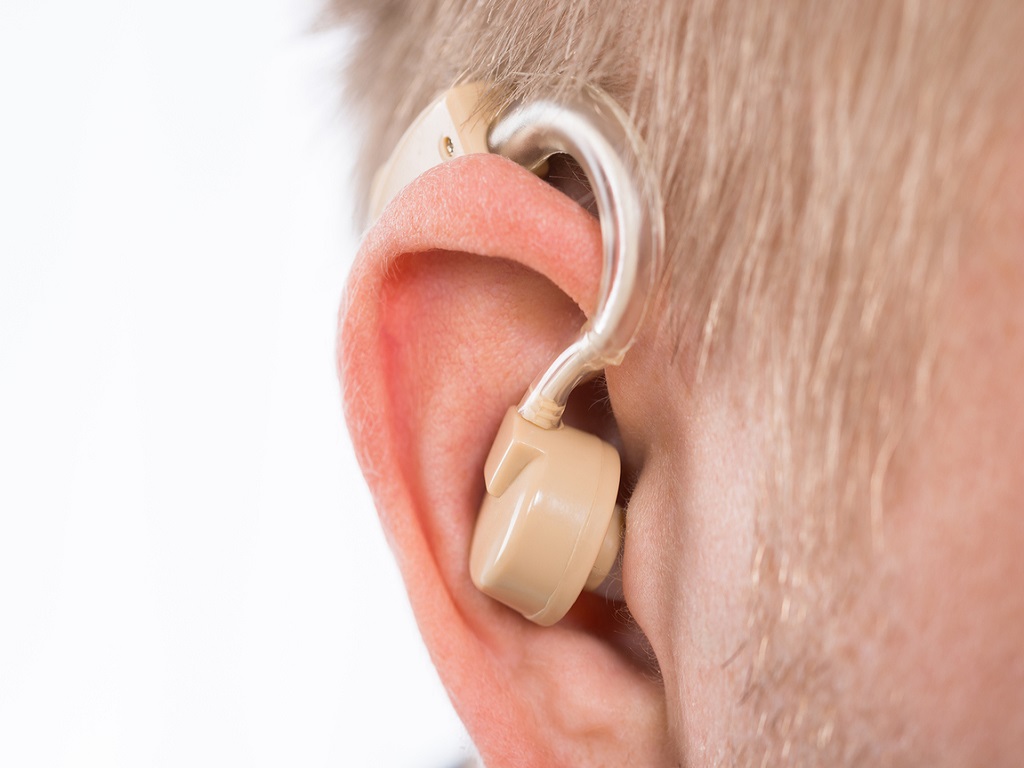
Having hearing problems comes with its own set of challenges. Lucky for us, technology provided us with a great solution in the form of sophisticated and tiny machines, hearing aids. But looking at how delicate these machines are, you need to know how to take care of them at home to make sure they last you a long time.
While you should reach out to professionals and your doctor for serious technical issues, there are some issues that you can learn to resolve on your own.
Learning how to maintain your hearing aids at home regularly can help prevent damage and increase the device's longevity.
While hearing aids of all types get exposed to external environmental factors like humidity, dirt, earwax, moisture, and debris, there are certain types of problems that different kinds of hearing aids are more particularly susceptible to.
Invisible-In-The-Canal (IITC) and In-The-Ear (ITE) aids are most susceptible to getting jammed with earwax, while over-the-ear hearing aids are exposed more to debris, sweat, and water.
But no matter what type of hearing aid you use, here are a few steps that you can practice daily to maintaining your device at home: